Published : 2025-11-04
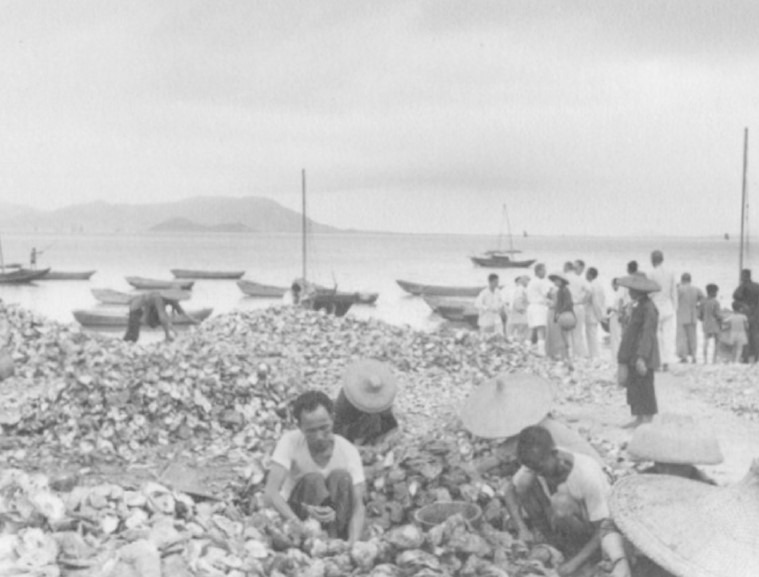
1888, in Nam Shui Town of south China's Guangdong, the air was filled with the salty tang of sea breeze. As usual, Lee Kum Sheung lit the fire to cook oysters. However, due to a moment of carelessness, the oyster broth in the pot simmered away, leaving behind a thick, dark, oily paste.
He dipped his finger in and then tasted it curiously. The umami flavour instantly burst on his palate. This marked the beginning of oyster sauce.
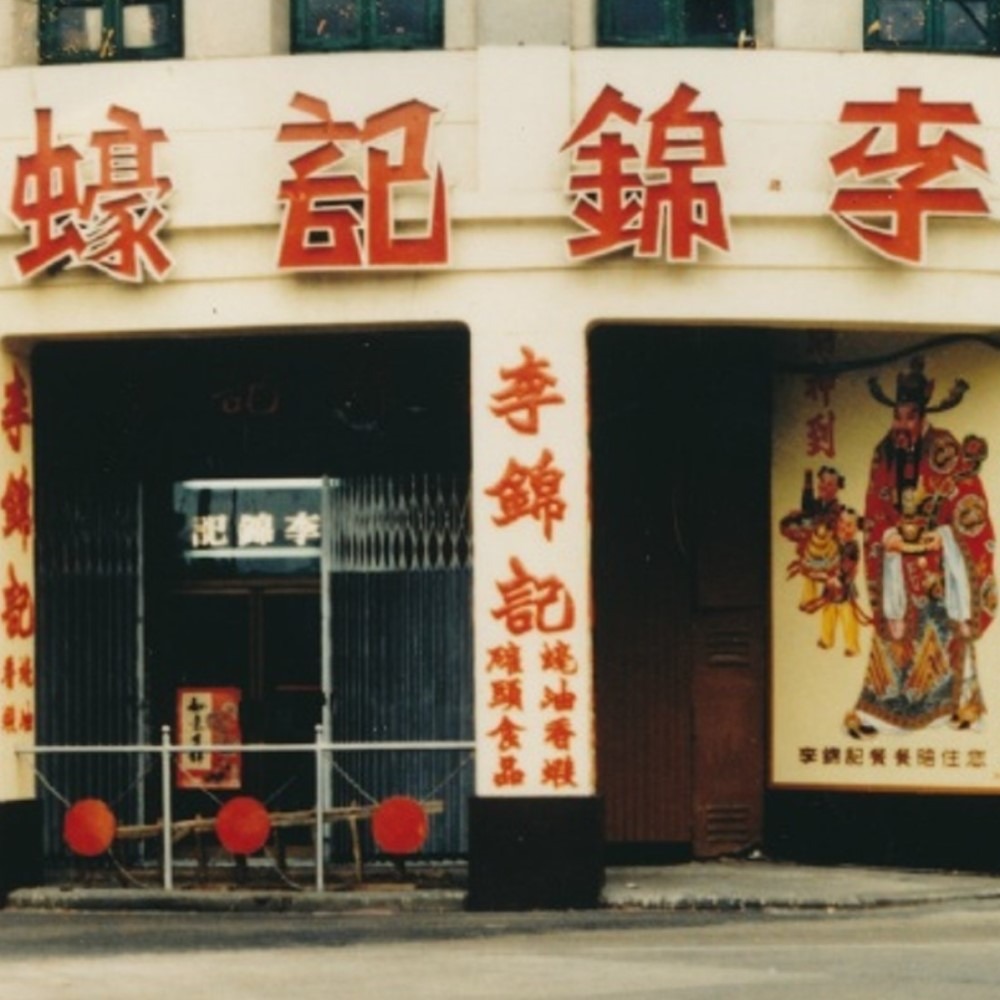
Over a hundred years later, oyster sauce has become an essential seasoning on Chinese dining tables. The brand "Lee Kum Kee" founded by Lee Kum Sheung, has not only become popular worldwide but also made its mark in outer space, embodying the brand's vision: "Where there are people, there is Lee Kum Kee."
HK brand Lee Kum Kee developed from family workshop to billion-dollar multinational enterprise
Lee Kum Kee (李錦記) was founded in 1888 with oyster sauce and has developed over a century from a family workshop to a multinational corporation with over 10,000 employees. The company offers more than 300 types of sauce products, which are supplied to more than 100 countries and regions worldwide.
The founder of Lee Kum Kee, Lee Kum Sheung (李錦裳), was the inventor of Chinese oyster sauce. He accidentally overcooked oyster broth, which led to the creation of oyster sauce.
By selling oyster sauce, he saved enough money for a dowry, got married, and laid the foundation for the family business.
As Lee Kum Kee's oyster sauce became a bestseller, others rushed to imitate it, making the Pearl River Delta in south China a renowned region for oyster sauce production in the early 20th century.
Lee Kum Kee is one of the "Four Major" oyster sauce brands in Macao
In the early 20th century, the international political situation was extremely volatile, and China was beset with internal and external troubles. Despite the instability, Lee Kum Kee managed to maintain and even expand its family business during such turbulent times, with each step taken meticulously.
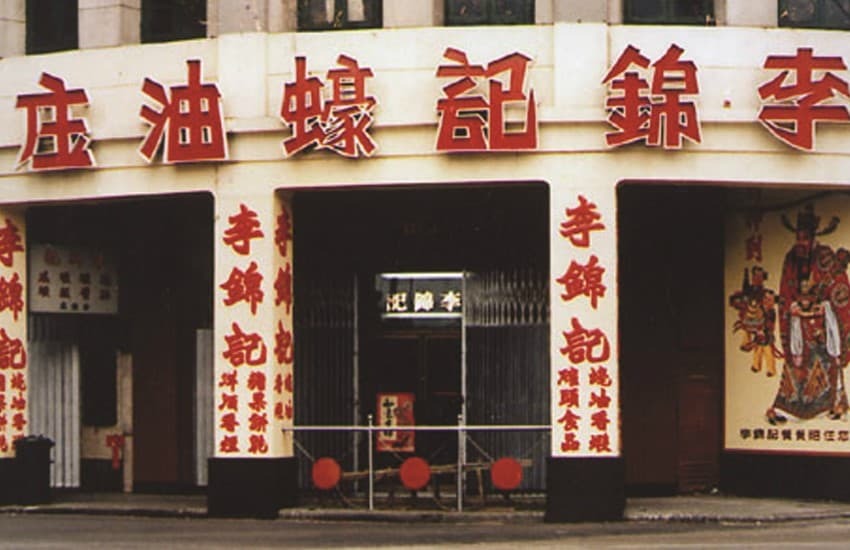
In 1902, Lee Kum Sheung moved his entire family to Macao, a bustling trade hub, and his business flourished, becoming one of the "Four Major" oyster sauce brands in Macao (the other three being Yung Shing Hong 榮甡號, Hop Shing Lung 合勝隆, and Fu Tai Hing 福泰興).
Read more: GBA at a Glance|Understand Macao in 5 figures
His business extended throughout the Pearl River Delta, and even agents specialising in the U.S. overseas Chinese market competed for his goods. To meet the demands of the international trade, Lee Kum Kee shifted its operational focus to Hong Kong, which had become a major re-export port by 1932.
Lee Kum Kee oyster sauce was once a luxury item
Nowadays, an oyster sauce bottle costs just a few dozen Hong Kong dollars, but in the early 20th century, oyster sauce was definitely considered a luxury item, especially the high-end Lee Kum Kee oyster sauce, which insisted on no added water. Only wealthy households and restaurants would purchase it.
According to the autobiography of Lee Man Tat (李文達), the third-generation successor of Lee Kum Kee, a bottle of oyster sauce sold for 1.8 HKD in 1945, while an ordinary worker's monthly salary was only 10 HKD.
It means that a worker even without any expenses in food and drinks, he could afford only five bottles of oyster sauce, highlighting its high price at the time.
Due to the high price of oyster sauce, Lee Kum Kee's revenue was primarily driven by the North American overseas Chinese market for a long period, which had higher consumption power, and the market share in Guangdong, Hong Kong, and Macao was very small.
Read more: Have you ever tried Yakult from glass bottles?
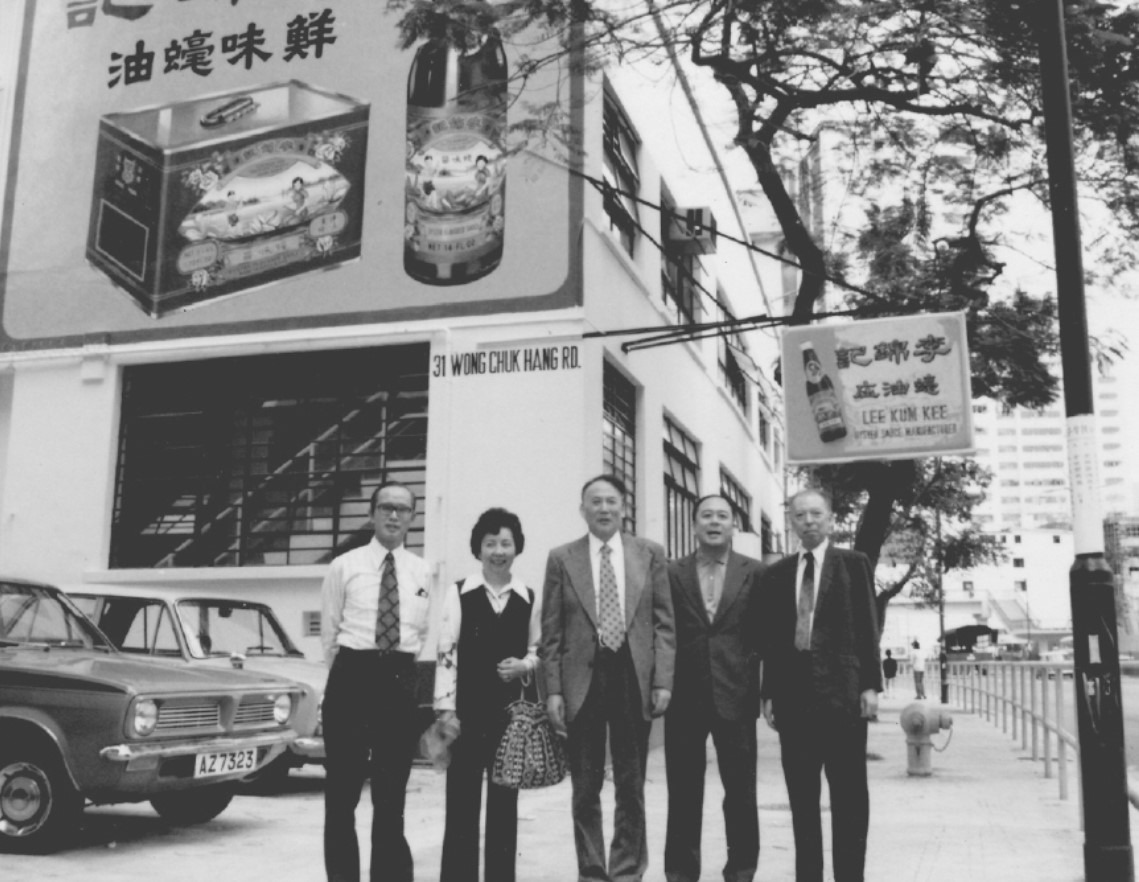
Lee Man Tat played a crucial role in the rapid development of Lee Kum Kee
During the Korean War in the mid-20th century, the United States imposed an embargo on China, requiring that exported goods prove their raw materials did not originate from China. This posed a significant crisis for Lee Kum Kee.
Although Lee Kum Kee immediately began to purchase oyster water from Lau Fau Shan (流浮山) in Hong Kong's Yuen Long and Japan to produce oyster sauce, it was unable to completely sever its ties with suppliers from the Chinese Mainland, and the British Hong Kong Government ordered a suspension of its license.
Fortunately, Lee Man Tat skilfully utilised his business connections, allowing the license to be reinstated, thus overcoming the crisis.
In 1972, U.S. President Nixon's visit to China thawed China-U.S. relations. At the same time, Lee Man Tat officially took over the company, marking the start of a period of rapid growth for the brand.
Read more : Why Garden Biscuits was the wartime food?
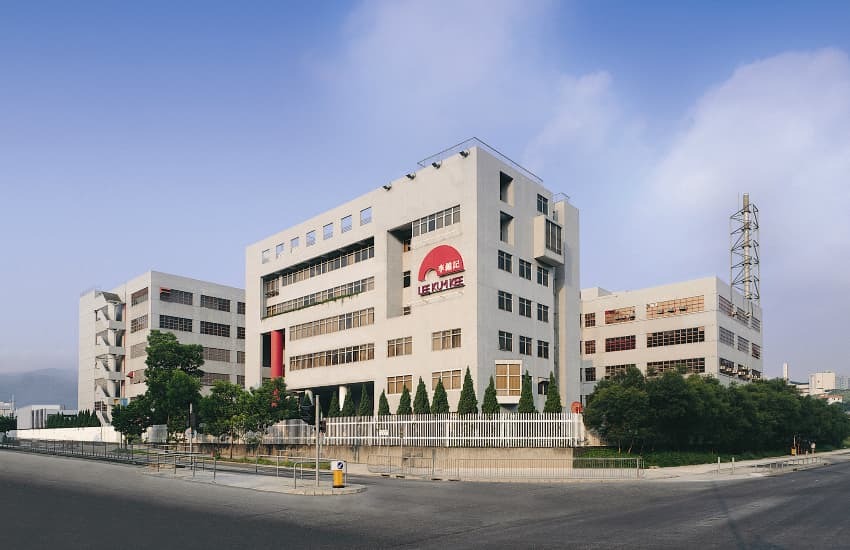
Lee Kum Kee launched its Panda Brand oyster sauce and gained immense popularity
In fact, Lee Kum Kee had been selling only one type of oyster sauce for more than half a century, until the situation was changed by Lee Man Tat.
With his unique vision, Lee Man Tat, through diligence, the pioneering spirit of an entrepreneur, adaptability, and innovation, continuously expanded Lee Kum Kee's market share of sauces.
After Nixon's visit to China, China gifted a pair of giant pandas to the United States. At that time, Lee Kum Kee was preparing to launch a mid-priced oyster sauce in North America. Lee Man Tat had a brilliant idea to name the oyster sauce after the giant pandas.
The marketing strategy worked, and "Panda Brand Oyster Sauce" became a huge success. Their production couldn't keep up with demand, and they urgently needed to expand their factory and sales.
Read more: Vitasoy founder developed "poor man's milk" to strengthen the country but was criticised?
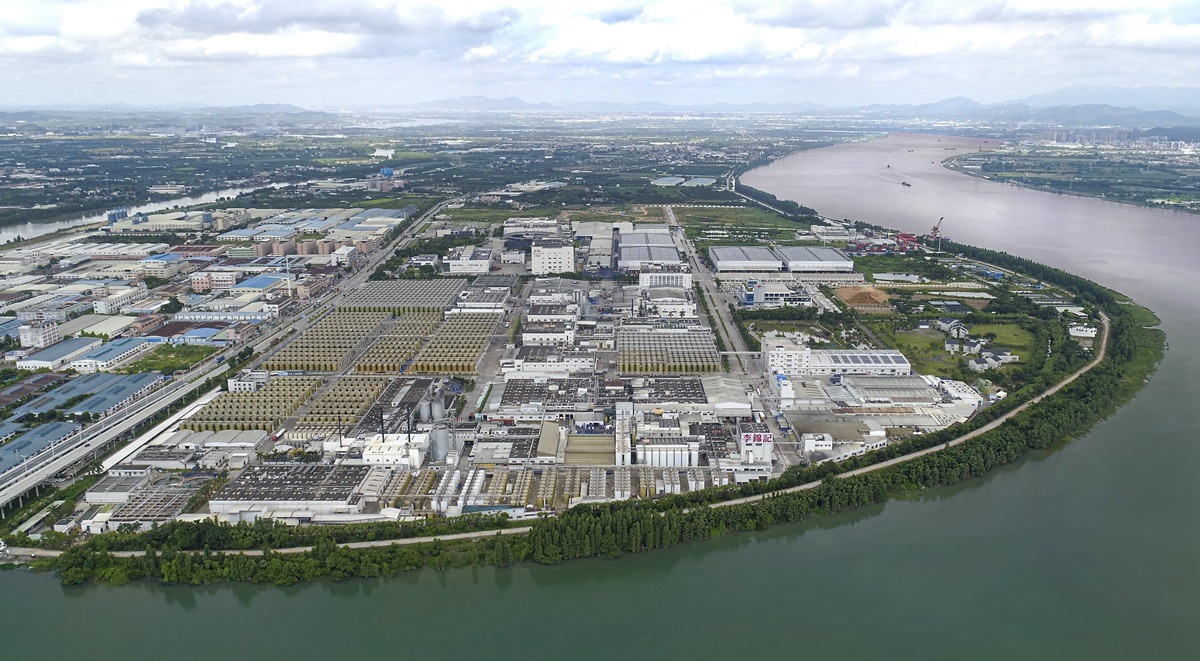
Lee Kum Kee built production base in its hometown of Qibao
In the 1960s and 70s, Hong Kong experienced many social upheavals, and during the Sino-British negotiations in the 1980s, Hong Kong's future was uncertain, leading people to sell assets and emigrate.
However, Lee Man Tat cast a vote of confidence, actively investing in real estate in Hong Kong and buying land to build factories.
Even though there were differences among family members regarding the political situation and company management, which caused Lee Kum Kee to split twice, Lee Kum Kee navigated through the storm and launched new strategies under Lee Man Tat's leadership.
During the 1980s, with the Reform and Opening-up starting in the Chinese Mainland, Lee Kum Kee began to return to the Mainland, establishing a seafood company to procure and cultivate live oysters, and invested in large factories in places like its hometown of Qibao (七堡).
The company expanded from solely producing oyster sauce to a wide variety of condiments, enriching the meals of countless households.
In the 1990s, Lee Kum Kee even ventured into the health product business with "Infinitus" (無限極), but that is another story.
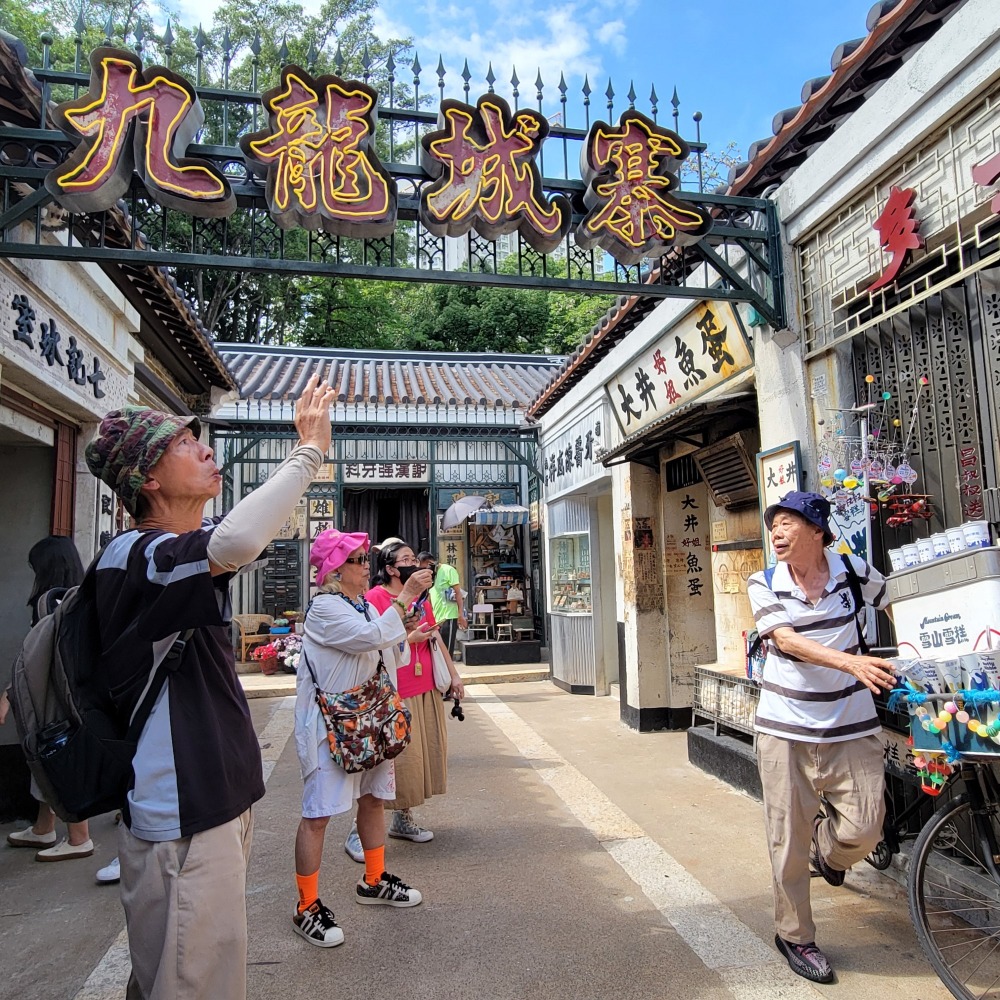
Read more: Explore Kowloon Walled City with movie set exhibition
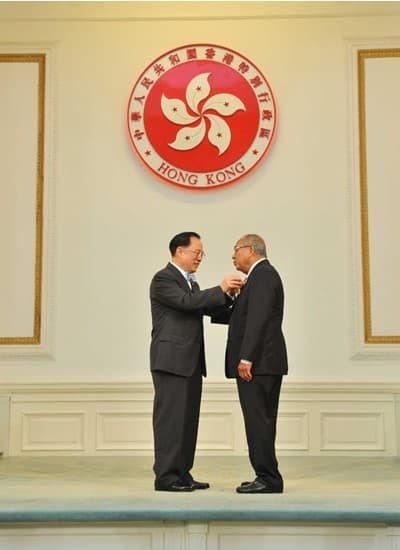
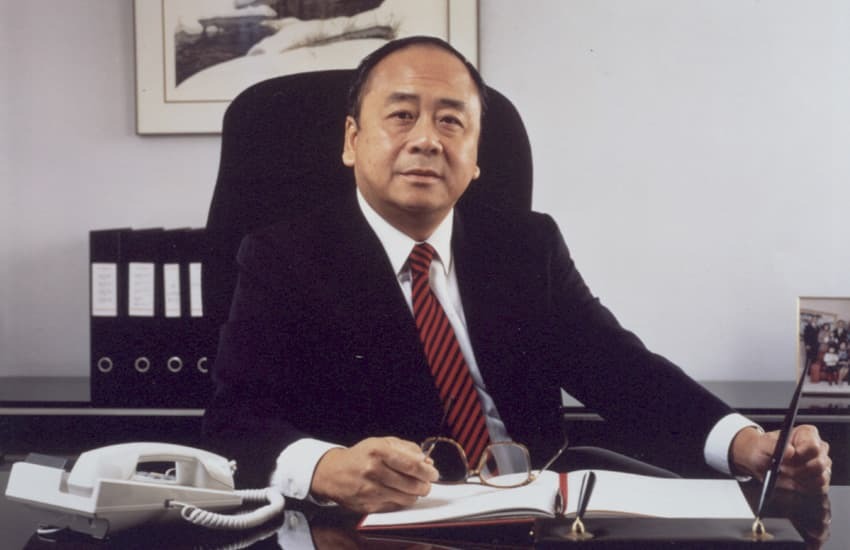
Lee Man Tat ranked among the top 3 wealthiest individuals in HK
Lee Kum Kee has never been listed, but its assets might be more substantial than many listed companies.
According to the 2019 Forbes Hong Kong Rich List, Lee Man Tat ranked 3rd with assets of 17.1 billion USD (approximately 134.2 billion HKD), only behind Li Ka Shing of Cheung Kong Holdings (approximately 253.6 billion HKD) and Lee Shau Kee of Henderson Land (approx. 237.8 billion HKD), which surprised many.
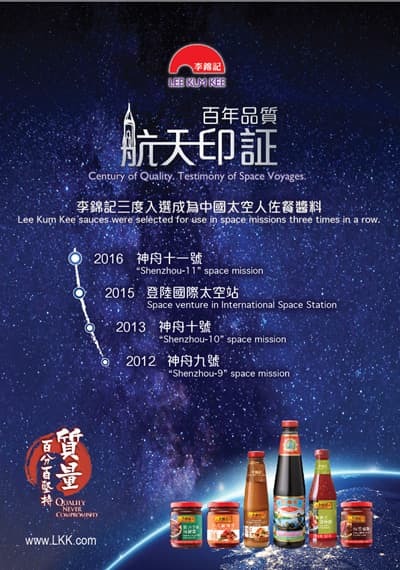
Lee Kum Kee went to space multiple times with the Shenzhou spacecraft
Since 2012, Lee Kum Kee's sauces have even sent into space with China's Shenzhou spacecraft, marking a remarkable journey from humble beginnings.
It's fascinating to think that this renowned Hong Kong brand, now shining brightly on the global stage, originated from a simple pot of burnt oyster sauce?
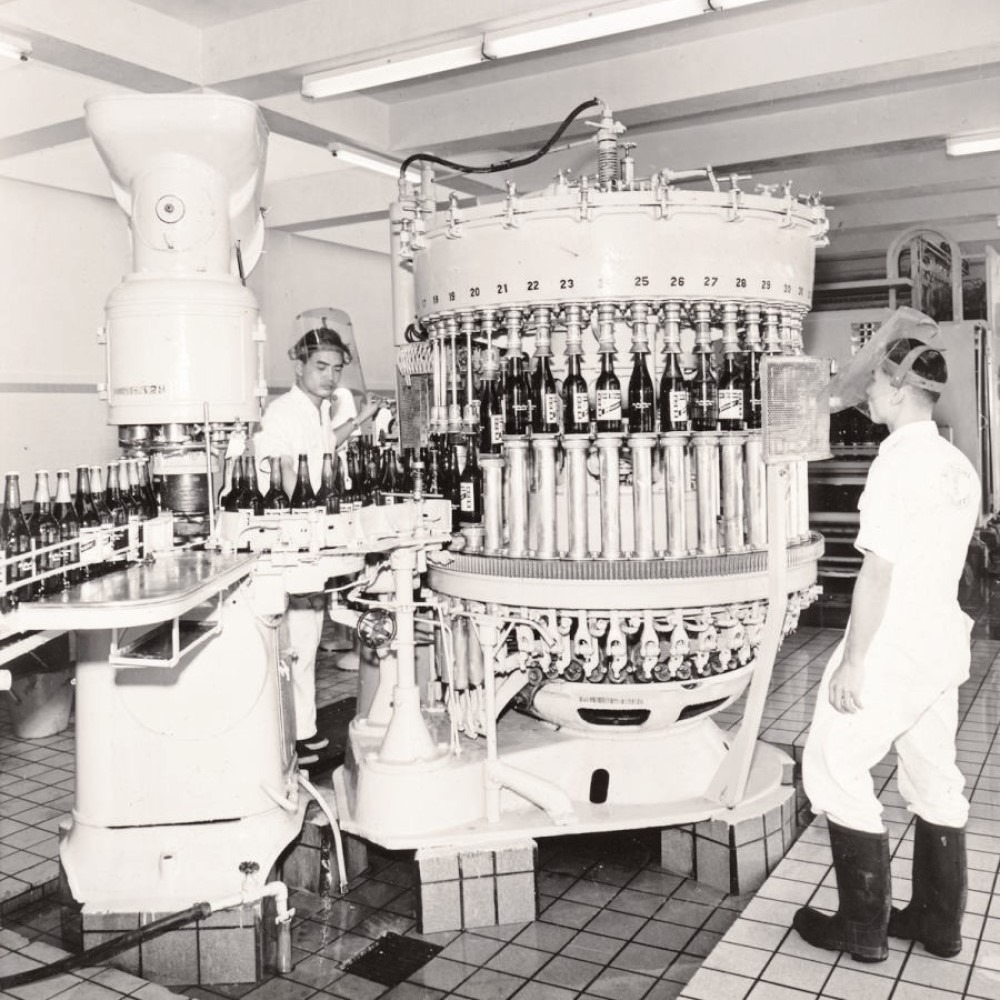
Read more: Things you may not know about HK's oldest local brewery
Read more: The relationship between Trappist Dairy and monks raising cattle for livelihood